
Duct Cleaning Guide: How Dirty Ductwork Impacts Comfort, Health & Energy Bills
March 20, 2026
If you live around here, you know the weather's all over the place. One week it's humid and sticky, the next it's bone dry, and somehow your house never quite feels right. When your HVAC system seems like it's working overtime but certain rooms are still uncomfortable — or your allergies suddenly flare up indoors — your ductwork might be the thing nobody's looked at yet.
Think of your ducts as the delivery system for all the heating and cooling your system produces. When they're dirty, leaking, or pulling in junk from places they shouldn't be, you'll feel it in three ways:
Comfort: Hot and cold spots, weak airflow, rooms that flat-out refuse to match the thermostat.
Health: More dust settling on surfaces, more irritation for anyone with allergies or asthma.
Energy bills: Your system runs longer, wastes more energy, and costs you more every month.
At Lawrence Air Systems, we see the same issues come up again and again in homes across the East Bay, Aquidneck Island, Jamestown, and out to Westport. Older homes, additions, houses with ducts snaking through attics, basements, or crawlspaces — they all tend to run into similar problems.
Here's what "dirty ductwork" actually means, what it can and can't cause, and the smartest steps to take.
Just Moved In? Here's Why a Duct Cleaning Might Be the First Thing You Do
If you're buying a home — congratulations, by the way — one of the easiest wins you can give yourself is starting fresh with clean ductwork. You have no idea what the previous owners had going on in that house. Pets, smokers, a renovation that kicked up who-knows-what, years of accumulated dust and dander just sitting in those ducts. Every time the system kicks on, all of that gets pushed right into your living space.
A duct cleaning before you settle in means you're breathing your air, not someone else's leftovers. It's a small thing that makes a big difference, especially if anyone in your household has allergies, asthma, or you're just starting a new chapter and want to actually start fresh.
"Dirty Ductwork" Usually Means More Than Just Dust
When homeowners tell us their ducts are dirty, they could be dealing with one or more of these things:
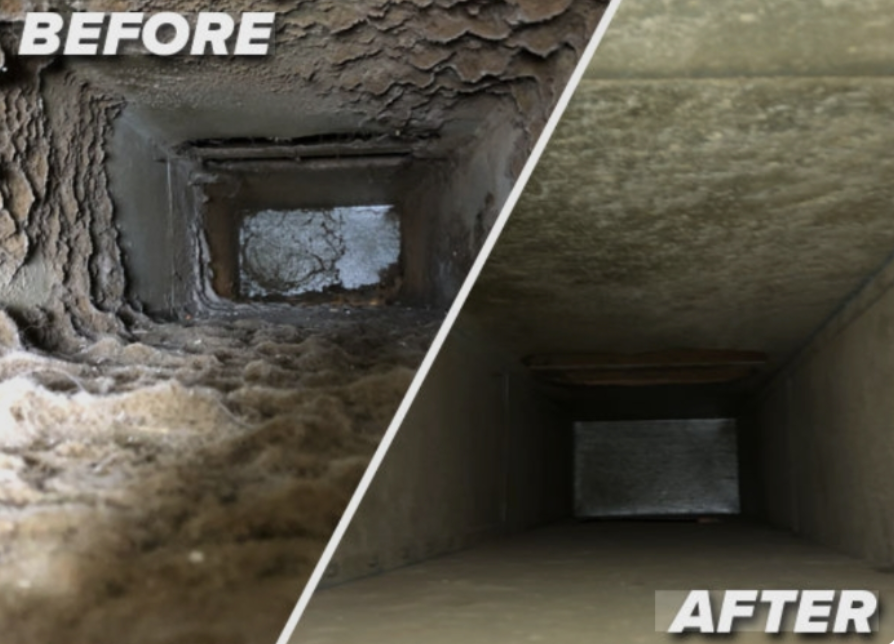
Dust and debris inside the duct system
This builds up from everyday life — pet dander, renovation mess, or a filter that's basically just along for the ride. Here's the thing, though: the EPA has pointed out that duct cleaning hasn't been proven to prevent health problems. Most dust in ducts sticks to surfaces instead of constantly blowing into your living space.
So dust alone isn't always the villain. But it can be part of a bigger airflow and filtration issue that deserves attention.
Moisture buildup — this one's serious
Moisture changes everything. If parts of your HVAC system get wet — from condensation, leaks, or just high humidity — you can end up with deterioration of components and insulation inside the system, persistent odors, and real comfort and air quality issues that won't go away on their own. That's when ductwork goes from "kind of annoying" to something that needs to be addressed sooner rather than later.
Leaks that pull in nasty air from unconditioned spaces
Leaky return ducts in attics, basements, or crawlspaces can suck in dust, insulation fibers, moisture, and all kinds of stuff you don't want — then blow it right through your house. On top of that, you're paying to heat or cool air you never meant to bring inside in the first place.
Restrictions that choke off airflow
Even perfectly clean ducts can cause problems if the flexible duct tubing gets bent or kinked, sections come loose and disconnect from each other, airflow dampers get stuck in the wrong position, or your filter gets so clogged it's basically a wall your system is trying to push air through. None of those require a dirty duct to cause a real headache.
How Dirty Ductwork Wrecks Your Comfort (And Why Some Rooms Always Lose)
Comfort issues are usually the first thing people notice. Here's what we typically run into:
Uneven temperatures and those rooms that are never right
If your living room feels fine but the bedrooms swing 4–8 degrees warmer or cooler, ductwork is probably involved. The usual suspects include supply ducts leaking into an attic or basement, return duct leaks sucking in unconditioned air, poor duct sizing from old renovations or additions, and blocked vents or damaged duct runs.
Even a perfectly sized HVAC unit can't overcome duct problems. If conditioned air is escaping — or your system is pulling in the wrong air — your thermostat just keeps calling for more and more runtime. Comfort gets worse, not better.
Weak airflow at vents
Weak airflow can come from debris buildup, but honestly, it's more often caused by a clogged or overly restrictive filter, a blower wheel that needs cleaning, duct restrictions like kinks or crushed flex, or leaks reducing how much air actually reaches the room.
Quick rule of thumb: if airflow's weak in one or two rooms, suspect duct issues. If it's weak everywhere, look at filtration, the blower, or overall system performance.
More humidity in summer, drier air in winter
The humidity around here in summer is brutal. If your ductwork is leaky or your system is short-cycling because of airflow problems, it'll struggle to pull moisture out of the air. The house feels clammy even when the thermostat says it's "cool." In winter, the opposite happens — the system dries the air out even faster than it should.
How Dirty Ductwork Impacts Health — Without the Marketing Hype
Let's be honest: there's a ton of duct-cleaning marketing out there promising miracle health benefits. The actual science is more cautious than that.
The EPA has stated clearly that studies don't prove particle levels in homes go up just because ducts are dirty. And duct cleaning hasn't been shown to prevent health problems on its own.
Look, we get it — when you're sneezing indoors and your vents look dusty, "just clean them out" sounds like common sense. But the science is more nuanced than that.
So what actually matters for your indoor air quality?
Making sure you have appropriate filtration and changing those filters regularly.
Good filtration and regular system maintenance have the biggest impact on indoor air quality. The American Society of Heating, Refrigerating and Air-Conditioning Engineers (ASHRAE) confirms that proper filtration and air cleaning can remove airborne contaminants effectively. The Centers for Disease Control and Prevention (CDC) emphasizes using well-fitted filters, changing them regularly, and upgrading to higher-efficiency options when it makes sense.
Some families notice air quality issues faster than others — households with allergy or asthma sufferers, homes with multiple pets, older homes with dusty basements or crawlspaces, and families who run their HVAC fans a lot, since more air movement means more chances to notice irritation.
The bottom line: duct cleaning isn't some universal health cure. But duct problems — especially moisture and leaks — can absolutely make your indoor air feel worse.
How Leaky Ductwork Raises Your Energy Bills
If your comfort is off and your bills keep climbing, your ducts deserve a closer look.
Leaks waste a shocking amount of conditioned air.
ENERGY STAR estimates that in a typical house, 20–30% of the air moving through duct systems gets lost through leaks, holes, and poorly connected joints. The U.S. Department of Energy backs this up, noting that duct leaks add real costs and that sealing and insulating ducts can significantly cut those losses.
Think about that for a second. Nearly a third of the air you're paying to heat or cool is just... gone. Leaked into your attic or basement before it ever reaches your rooms.
That lost air shows up as longer HVAC run times, less comfort even while the system's running, higher heating and cooling bills, and more wear and tear on your equipment.
Here's one that surprises a lot of homeowners: ductwork running through an unconditioned attic poses the greatest potential for wasted energy and poor indoor air quality. A one-inch hole in your attic ductwork is the equivalent of having a 10" x 10" window open in your home year-round. Most people have no idea that's happening.
Dirty components cost you too, even when the ducts themselves aren't the main issue.
Sometimes what looks like "dirty ductwork" is really just a dirty HVAC system. Blower components, coils, and filters directly affect airflow and efficiency. That's why a thorough maintenance visit beats a quick "duct vacuum" service every time.
Signs Your Home's Ductwork Needs Attention
Here's a practical checklist for the kinds of homes we work on every day — older colonials, capes, split-levels, additions, finished basements, and everything in between.
Comfort signs:
One or more rooms consistently too hot or too cold
Weak airflow from certain vents
The thermostat reading never matches how the house actually feels
The system runs longer than it used to in the same weather
Air quality signs:
Dust comes back fast after cleaning
Musty smell when the heat or AC kicks on
Family allergies feel worse indoors
Visible debris blowing from registers — rare, but pretty obvious when it happens
System and bill signs:
Rising utility bills without any big lifestyle changes
Equipment short-cycling (turning on and off constantly)
Whistling sounds at returns or supply vents, which often means leakage or restriction
What to Do Next — The Smartest Sequence That Doesn't Waste Your Money
If you're trying to decide between "duct cleaning," "duct sealing," or "just replacing the whole system," start here:
Step 1: Knock out the easy wins first.
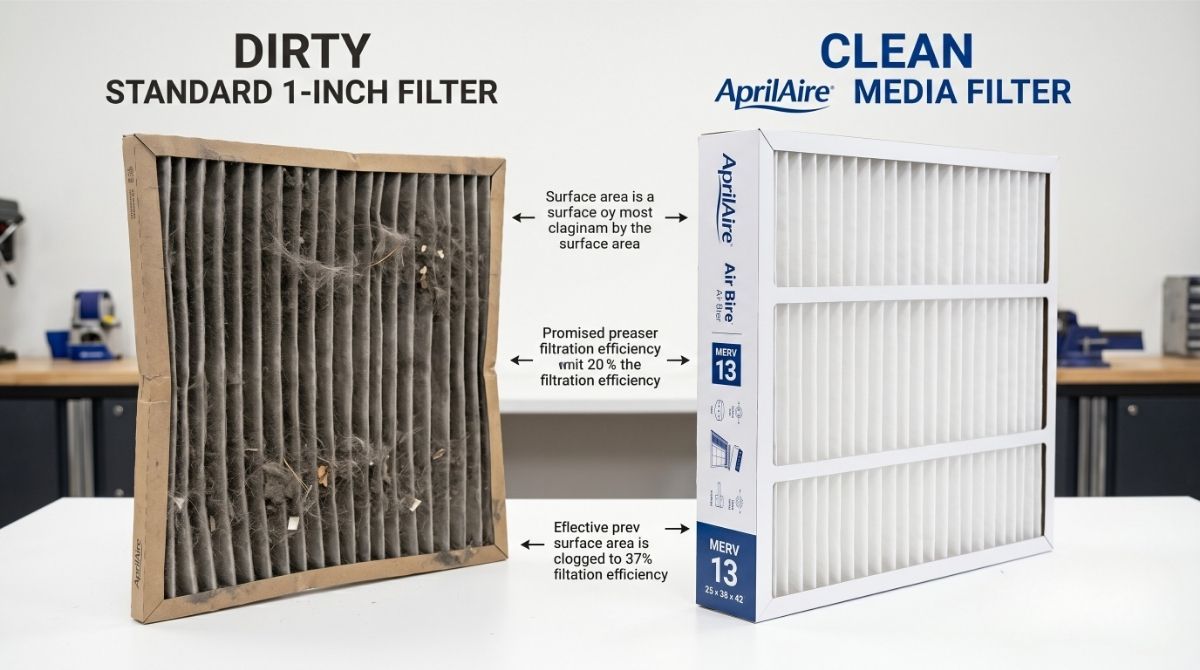
Make sure you have appropriate filtration for your system — not automatically the most restrictive filter you can find — and change those filters regularly, every 1–3 months depending on the filter and your conditions. Make sure supply vents and returns aren't blocked by furniture or rugs.
Step 2: Check for moisture and obvious contamination.
If you smell musty odors, find and fix the moisture source first. That's the only way to actually solve the problem.
Step 3: Prioritize duct sealing and insulation when ducts run through unconditioned spaces.
If your ducts run through an attic, basement, or crawlspace, sealing and insulating them can pay for itself quickly in comfort and lower bills.
Step 4: Tie it all together with a real system-level maintenance visit.
This is where comprehensive service actually matters. We're talking about cleaning and checking critical components, verifying airflow, inspecting duct connections, and figuring out exactly where comfort is being lost. A comprehensive approach — not a single-purpose upsell.
At Lawrence Air Systems, this is the difference between someone saying "your ducts are dusty" and actually explaining "here's why your back bedrooms never warm up, and here's how we fix it."
Quick Reality Check: Duct Cleaning vs. Indoor Air Quality Upgrades
If your real goal is healthier indoor air, you'll usually see better results from better filtration (properly sized and installed), fixing duct leakage (especially on the return side), controlling humidity and moisture, and cleaning critical HVAC components during regular maintenance.
Duct cleaning can be part of the solution. But it's rarely the whole answer on its own.
Frequently Asked Questions About Duct Cleaning & Sealing
"How much does a comprehensive and effective duct cleaning cost?" Professional duct cleaning typically ranges from $900–$1,500+ depending on your home's size and duct complexity. Duct sealing costs vary based on how much work is needed, but the energy savings often pay for the investment within a few years.
"Is duct cleaning worth it for my home?" It depends. If you have lingering odors in your home, inadequate filtration, heavy debris from a recent renovation, or pest problems, it's worth a conversation. For routine maintenance? Making sure you have appropriate filtration and keeping up with regular HVAC service usually deliver better results. Duct sealing and insulation often provide more bang for your buck.
"Should I get a duct cleaning when buying a home?" It's a smart move. You have no way of knowing what was going on in the previous owner's house — pets, dust, renovation debris, whatever. Starting fresh with a duct cleaning means you're not inheriting someone else's air quality issues from day one. Especially worth it if anyone in your family has allergies or asthma.
"How often should ducts be cleaned?" There's no set schedule. The EPA doesn't recommend routine cleaning unless there's a specific problem. Focus on regular filter changes, annual HVAC maintenance, and addressing any moisture or airflow issues as they arise.
"What's the difference between duct cleaning and duct sealing?" Duct cleaning removes debris from inside your ducts. Duct sealing fixes leaks and gaps that waste conditioned air and pull in unwanted air from attics or basements. For most homes, sealing delivers bigger comfort and energy improvements if leakage is truly the culprit.
"Can dirty ducts affect my indoor air quality?" Not always directly. The EPA notes that dust in ducts typically doesn't circulate much on its own. However, moisture issues, leaks pulling in air from crawlspaces, or poor filtration can definitely affect how your indoor air feels — especially for those with allergies or asthma.
Professional Duct Inspection & Sealing Services
If your home feels uneven, dusty, or ridiculously expensive to heat and cool, you don't need someone's best guess. You need a clear diagnosis and a plan that actually matches what's happening in your house.
The fastest path forward is a professional evaluation that looks at airflow, duct integrity, filtration, and system performance all together.
Ready to figure out what's actually going on with your ductwork? Call us at (401) 213-1516. We'll give you straight answers — whether that means cleaning, sealing, or just changing your filter more often.
Schedule a ductwork and HVAC performance check with Lawrence Air Systems — and get your home back to feeling consistently comfortable, season after season.
Service Area: Lawrence Air Systems provides comprehensive duct inspection, cleaning, and sealing services throughout the East Bay, Aquidneck Island, Jamestown, and out to Westport.
Why Spring Is the Time to Get Ahead of Humidity Season
Why Spring IAQ Is One of the Most Important Home Investments You Can Make
Why Spring Is the Time to Pay Attention Most air conditioners don't fail out of nowhere. They give warning signs first — unusual sounds, lukewarm air, energy bills that keep climbing for no obvious reason. The trouble is, life gets busy, and those early signals are easy to brush off until something actually stops working. For homeowners across Rhode Island and Southeastern Massachusetts, spring is when those warning signs matter most. The system has been sitting idle for months, and the first warm stretch is about to ask it to perform again. Catching a small problem now means you're not competing for appointments during an August heatwave, when every HVAC provider in the area is booked solid and wait times stretch for days. Here are ten things worth paying attention to before summer hits. 1. Weak or Uneven Airflow Walk through your house and pay attention to how the air feels coming out of your vents. If some rooms are noticeably warmer, or if certain vents barely seem to be doing anything, that's worth investigating. It could be something simple — a clogged filter is one of the most common culprits and is a straightforward fix. But it could also point to a failing blower motor, blocked ductwork, or early compressor issues. Any of those get worse and more expensive the longer they're ignored. 2. Warm Air Coming Out of the Vents If your system is running but the air isn't actually cold, something is wrong. Sometimes it's a thermostat setting — worth checking first. But if the system is clearly set to cool and still blowing room-temperature air, you're likely looking at a refrigerant issue, a compressor problem, or something electrical. This tends to be one of the first things homeowners notice when temperatures start climbing in spring. By then, schedules are already filling up across East Bay, Aquidneck Island, Newport, and the surrounding communities. 3. Sounds That Shouldn't Be There A low, steady hum while your system runs is normal. Grinding, banging, screeching, or rattling is not. Grinding usually means something mechanical is wearing out. Banging can indicate a loose or broken component. Screeching often points to a belt issue. None of these fix themselves, and what's a minor repair today could turn into a full system replacement if a failing part lets go entirely. 4. Smells Coming from the Vents Air from your vents should smell like nothing at all. If it smells musty, there may be microbial growth somewhere in the system — possibly on the evaporator coils or inside the ductwork. If it smells like something is burning, that's an electrical concern and it shouldn't wait. Beyond being unpleasant, both of these affect your indoor air quality. Especially if anyone in your home has allergies or respiratory sensitivities, it's worth getting addressed sooner rather than later. 5. Your Electric Bills Are Creeping Up If your usage habits haven't changed but your bill has, your AC might be working harder than it should. An inefficient system — whether from dirty coils, low refrigerant, or aging parts — burns more energy to do the same job. A lot of homeowners don't connect the dots here until the bill is noticeably higher. By that point, the system has often been struggling for a while. A professional Total System Cleaning and performance evaluation can usually identify what's dragging efficiency down and help bring things back to normal. 6. It Keeps Turning On and Off Short cycling — where the system kicks on, runs briefly, shuts off, and then starts again almost immediately — puts a lot of stress on the equipment. It's not supposed to work that way. The causes range from thermostat placement issues to refrigerant problems to an oversized system that cools too fast and then can't maintain the temperature. Whatever the cause, it wears components down faster and makes your home harder to keep comfortable. Midpoint Insight: Why Professional Evaluation Catches What You Can't Many of the warning signs on this list — weak airflow, short cycling, rising energy costs — can share overlapping causes. A clogged filter might explain one symptom, but a refrigerant leak combined with aging components could be behind three of them at once. That's why a professional performance evaluation matters more than checking off individual fixes. This is why homeowners across East Bay, Aquidneck Island, Jamestown, and out to Westport often turn to experienced providers like Lawrence Air Systems for spring AC evaluations. A professionally trained and licensed technician can diagnose issues that DIY checks simply can't — and catch problems before they compound into costly emergency repairs. Professional HVAC companies align themselves with manufacturers that not only provide training - they require it. The Trane Comfort Specialist program is a great example. Any participating contractor in this program is required a minimum amount of continuing education each year. They must maintain high Google review ratings and have a solid track record for quality installation practices. Many manufacturers have programs like this to protect and ensure their own reputation. 7. Water or Moisture Around Your System Some condensation near your outdoor unit is normal. Puddles, standing water, or ice forming on the system are not. A clogged drain line is one possibility — fairly common and fixable. Frozen evaporator coils are another. Refrigerant leaks are more serious and require a certified technician. Either way, moisture pooling around your system isn't something to leave alone. Left untreated, it can lead to microbial growth and damage to the surrounding area. 8. The Thermostat Seems Off Sometimes the issue isn't the AC at all — it's the thermostat. If the temperature in your house doesn't match what you've set, or if the system runs constantly without reaching the target, the thermostat might not be communicating properly with your system. It's a relatively quick diagnostic for a technician, and thermostat issues are generally less expensive to fix than problems with the system itself. 9. Your Home Feels More Humid Than Usual Cooling and dehumidifying go hand in hand — your AC pulls moisture out of the air as it runs. If the house starts feeling sticky or clammy even when the system is on, that's a sign it's not working efficiently. High humidity also makes the house feel warmer than it is, which can cause the system to run longer than needed and put extra wear on the equipment. 10. Your System Is Getting Old Most air conditioners last somewhere between 10 and 15 years with regular professional care. If yours is getting up there in age, that doesn't automatically mean it's about to fail — but it does mean it deserves a closer look before summer. Older systems tend to lose efficiency gradually, and they're more prone to small failures that compound over time. Annual Total System Cleanings become especially important once a system is past the 10-year mark — they help catch wear issues early and keep the system running as efficiently as possible. A Few Things You Can Check Yourself Before calling anyone, it's worth going through the basics: replace the air filter if it's been a while, double-check the thermostat settings, make sure vents aren't blocked by furniture, and clear any debris around the outdoor unit. These things genuinely cause problems and are easy to fix at home. If none of that helps, it's time for a professional evaluation. When to Call a Professional Some things are worth troubleshooting on your own. Others — refrigerant leaks, electrical issues, anything involving burning smells or loud mechanical noises — aren't. If the AC won't turn on, keeps short cycling, or is blowing warm air despite normal settings, it's time to call for professional help. Members of the Annual Maintenance Program receive priority scheduling, member-only savings on service calls and repairs, and access to after-hours service — which can make a real difference when everyone else is waiting for an appointment in peak season. FAQ Should I repair or replace my AC? If the system is under 10–12 years old and the repair is reasonable, fixing it usually makes more sense. Older systems with a history of recurring repairs are often better candidates for replacement. A system designer can help you evaluate the best path forward. What breaks most often in AC systems? Capacitors and refrigerant leaks are among the most common repairs — both directly affect how well your system cools. How often should I schedule professional maintenance? Once a year is the standard recommendation — ideally a Total System Cleaning in spring before heavy use begins. Members of the Annual Maintenance Program get this built into their plan. Why is my AC running but not cooling? Low refrigerant, compressor problems, dirty coils, or restricted airflow are the usual suspects. A professional performance evaluation can identify which issue is at play. Can a dirty filter really cause that much trouble? Yes. A dirty filter restricts airflow enough to reduce efficiency, cause the system to work harder, and even freeze up the coils in some cases. How long should an AC system last? With regular professional care, most systems run reliably for 10–15 years. Enrolling in an Annual Maintenance Program helps protect that investment and extend system life. Don't Wait for the Breakdown Your AC usually tells you something is wrong before it actually quits. Unusual sounds, weak airflow, higher bills, humidity problems — these are all worth paying attention to. A professional evaluation in spring is almost always less expensive and less stressful than an emergency call in August. If you've noticed any of these signs, the trusted team at Lawrence Air Systems can help homeowners across East Bay, Aquidneck Island, Jamestown, and out to Westport evaluate system performance, identify problems early, and restore comfort before the heat arrives. Call (401) 213-1516 to schedule a Total System Cleaning or spring performance evaluation. Follow us on Facebook for seasonal tips, team updates, and homeowner resources.
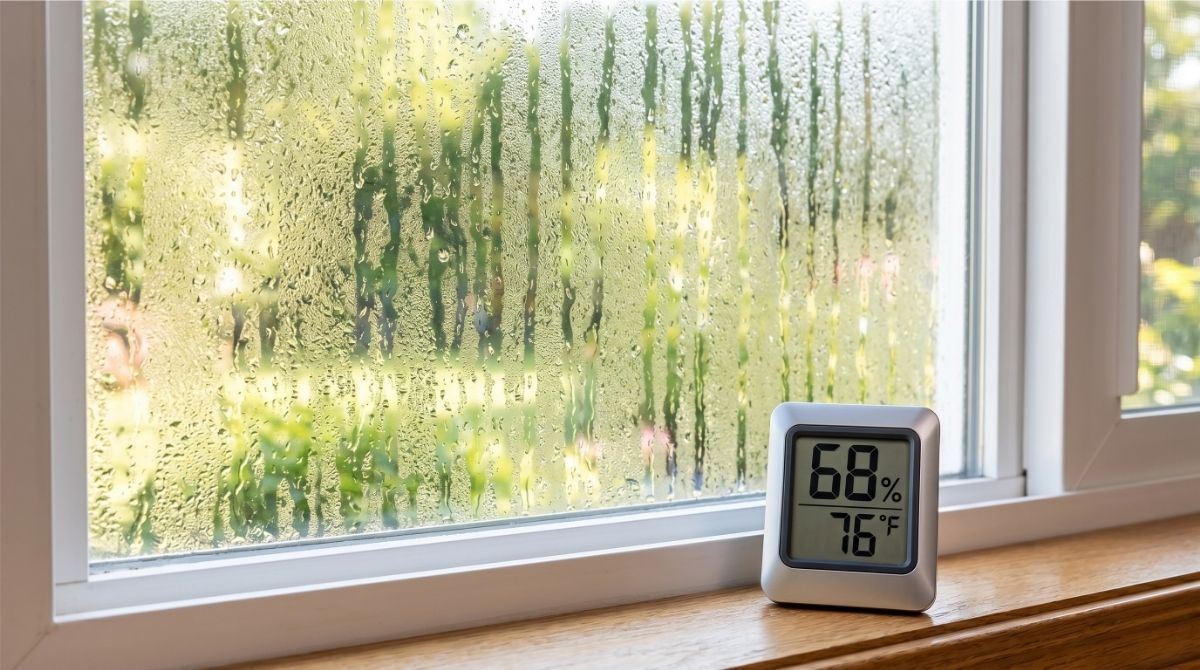
You know that feeling when you wake up, and your throat feels like sandpaper? Your lips are cracked, your skin is begging for lotion, and the house just feels... off. The heat's running, the thermostat looks fine, but something isn't right. Here's the thing — the problem likely isn't caused by your heating system. It's the humidity. Or more accurately, the complete lack of it. Low indoor humidity is one of those sneaky winter issues that most homeowners don't think about until they're miserable. And while tossing a portable humidifier in the bedroom might take the edge off, it's really just a band-aid on a whole-house problem. If you want actual, consistent relief, a whole-home humidifier — one that ties right into your HVAC system — is the way to go. Let's talk about what dry air actually does, why cranking the heat makes things worse, and how the right humidifier setup can completely change how your winter feels. Why Does Winter Air Get So Dry Inside Your House? It comes down to basic science. Cold air just can't carry as much moisture as warm air. All winter long, cold outdoor air sneaks into your house through gaps around doors, windows, your attic, your basement — all the usual suspects. Your heating system warms that air up, and when it does, the relative humidity (RH — the percentage of water vapor currently in the air compared to the maximum amount the air can hold at its current temperature) tanks. Here's a real example of what that looks like: that 20-degree air outside, even at 80% relative humidity, gets pulled into your home and warmed to 70 degrees. That same air — same exact moisture content — now sits at just 10–12% relative humidity. The total amount of water vapor hasn't changed at all, but the capacity of the air to hold moisture increases dramatically when it's heated, which is why the relative humidity collapses. The result? Desert-like conditions inside your home, all winter long. Translation? Your house becomes a moisture vacuum, and you're feeling the effects. A healthy home should sit somewhere between 30–45% relative humidity during winter. During a real cold snap across the region, indoor humidity can dip down to 20–30%, sometimes even lower. When you consider where it should be, that gap starts to feel pretty significant — and that's exactly when most people start feeling it. How to Tell Your Home Is Too Dry Once you start paying attention, the signs are pretty hard to miss. On your body: Your skin gets dry and itchy, especially overnight. Your lips crack and nothing seems to help. You wake up with a scratchy throat, a dry cough that won't quit, or even bloody noses. You're getting shocked every time you touch a doorknob or pet the dog. The house just feels chilly even when the thermostat says otherwise — because dry air pulls warmth right out of you. You might even have allergy-like symptoms indoors when there's zero pollen outside. Around the house: Your hardwood floors start showing gaps. Trim and furniture look dried out or start cracking. Doors that fit fine in summer are suddenly sticking (or not closing right) as the wood shifts. Even your houseplants look rough no matter how much you water them. None of this necessarily means something's seriously wrong. More often than not, it just means your indoor humidity is way too low. Here's Why Turning Up the Heat Actually Makes It Worse When the air is dry, your body loses moisture faster through your skin and airways. That means a perfectly warm house can still feel uncomfortable — because you're basically getting dried out from the inside. So what do most people do? They bump the thermostat up a couple of degrees. And that does two things, neither of them great. First, it makes the furnace run longer, which reduces relative humidity even more. Second, it drives up your energy bill without actually fixing the problem. You end up spending more money to feel... still lousy. A lot of the time, fixing the humidity is what finally makes the temperature feel right. The Problem with Portable Humidifiers Look, portable humidifiers have their place — a kid's bedroom, a nursery, maybe your own room on the worst nights. But they come with a whole list of headaches. You're refilling them constantly, sometimes more than once a day. They only help the one room they're sitting in. They can be noisy enough to mess with your sleep. They need regular cleaning or they get gross in a hurry. And if you forget about maintenance for a few days? You probably don't want to look inside. If you've reached the point where you're running two or three of these things around your home and still not comfortable, you've already figured out the real issue: it's not one room. It's the whole house. What a Whole-Home Humidifier Actually Does A whole-home humidifier connects directly to your HVAC system. As air circulates through your ductwork, the humidifier adds a controlled amount of moisture. You set a target humidity level, and the system handles the rest — automatically, across every room. That means consistent comfort throughout your entire house, not just wherever you've happened to park a portable unit. And unlike portable units that need to be filled every day, whole-home systems tie directly into your home's water supply — there's zero daily maintenance. No tank to fill, ever. Better sleep because your throat and sinuses aren't getting dried out all night. Fewer of those annoying static shocks. Better protection for your wood floors, trim, furniture, and instruments. It basically takes you out of "winter survival mode" and gets you back to normal living. What Should Indoor Humidity Actually Be in Winter? Most people feel their best when indoor humidity lands somewhere in the 30–45% range, adjusted a bit depending on how cold it is outside. When temperatures really drop, you might need to aim toward the lower end of that range to avoid condensation building up on your windows. To put that in perspective — during a rough cold snap, indoor humidity can drop to 20–30% or lower without you even realizing it. Getting back up to that 30–45% sweet spot is what changes how everything feels: your skin, your sleep, your home. The goal isn't to turn your house into a tropical greenhouse. It's just to keep it from feeling like a desert. The Different Types of Whole-Home Humidifiers They're not all built the same, and the right solution depends on your house and your situation. Evaporative humidifiers use your system's airflow and a water panel to add moisture. They're often the most affordable solution and work well in a lot of homes with forced-air systems. If you want solid humidity improvement without overcomplicating things, these are a great starting point. Fan-powered humidifiers are similar, but they've got their own fan to push air across the water panel more aggressively. That means higher output. If your home needs a little more oomph, or your ductwork layout makes an evaporative unit less effective, these are worth a look. Steam humidifier s actually boil water and push steam into the airstream. They deliver the strongest, most precise humidity control and can keep up even during the worst cold stretches. These are great for larger homes or anyone who wants more than supplemental humidification. One thing to note: steam systems require high humidity limit controls installed in the ductwork to prevent over-humidification, as well as air proving switches to make sure the furnace fan is running properly with the humidifier — all part of a proper installation. "Will It Actually Help with My Dry Sinuses, Cough, and Sleep?" A lot of homeowners notice a real difference once their humidity gets into a healthy range — especially overnight. When indoor air isn't constantly pulling moisture out of your nose and throat, you may find that you wake up less dried out, deal with fewer dry cough flare-ups, and just sleep better overall. That said, humidity isn't a magic cure. If you're dealing with serious or ongoing symptoms , go talk to your doctor. But from a home comfort standpoint, getting humidity right is one of the biggest quality-of-life improvements you can make during the winter months. Can Too Much Humidity Cause Problems? Absolutely — but only when it's not done right. A whole-home humidifier should be properly sized for your house, installed correctly, set to an appropriate humidity target, and adjusted when outdoor temperatures drop to avoid condensation on your windows. When it's installed and managed properly, you get the comfort without any of the downsides. The Bonus Most People Don't Expect: Your Heating Feels More Efficient Here's the part that really gets people's attention. Air with balanced humidity feels warmer at the same thermostat setting. That means some households can feel comfortable at a slightly lower temperature — especially overnight. In fact, turning your thermostat down even one degree can, in some cases, result in savings of up to 3% on your energy bills — and every little bit adds up over a full winter. You're not creating more heat. You're just making the heat you already have feel better. That's a pretty good deal. Why This Matters for Homes Around Here Homes across the East Bay out to Westport, Aquidneck Island, and Jamestown tend to share some common winter challenges. There's a lot of older housing stock — homes stuck dealing with inconsistent insulation and poor air sealing that makes humidity control even harder. Additions built in different decades create uneven comfort zones throughout the house. Basements and attics affect airflow and dryness in ways people don't always realize. And strong winter heating demand means systems run hard and often. When your furnace is cycling frequently, it's moving a lot of air — and that can amplify the effects of low humidity. A whole-home humidifier is especially valuable during those stretches when winter just won't let up. Pairing a Humidifier with Solid HVAC Maintenance A whole-home humidifier does its best work when your HVAC system is clean, safe, and moving air the way it should be. Winter's actually a great time to think about maintenance that supports your comfort — not just your equipment's lifespan. Comprehensive seasonal cleanings and airflow checks can make a noticeable difference here. Better airflow, cleaner components, and a system that's actually performing the way it's supposed to while humidity is being added and controlled. At Lawrence Air Systems, humidifier recommendations are tied to what's actually bugging you — sleep quality, skin irritation, static shocks, uneven temperatures — not just selling you a piece of equipment. Frequently Asked Questions About Whole-Home Humidifiers In Our Area "Will I need to maintain it?" There's zero daily maintenance — whole-home humidifiers connect directly to your water supply, so there's no tank to fill, ever. Once a season, you'll swap out a water panel or canister. Typically, our clients have us take care of that during seasonal maintenance on the heating system, so it's handled automatically as part of your regular service. "Will it work with my current HVAC system?" In most cases, yes — especially if you've got forced-air heating. The best move is to have someone take a look at your system type, ductwork, and where the unit would go. "Is it loud?" Whole-home units are typically very quiet since they're built into your existing system. Steam units can make some mild operational sounds, but most homeowners find them way less intrusive than a portable humidifier running on their nightstand. "How much does it cost?" Cost varies based on the type of humidifier and your home's setup. "Is it actually worth it?" If dry air is messing with your comfort, your sleep, or your home every winter, a whole-home humidifier is one of the best bang-for-your-buck upgrades you can make. It's the kind of thing where people wonder why they didn't do it sooner. But comfort isn't the only reason people go for one. Balanced humidity protects your home too — hardwood floors, wood trim, furniture, musical instruments, and even electronics all hold up better when the air isn't bone dry all winter. And from an energy standpoint, humid air feels warmer at the same temperature, which means you may be able to dial the thermostat back and still stay comfortable. That said, not every home needs a whole-home humidifier. Smaller, tighter homes with more people living in them may naturally maintain better humidity levels on their own. This is exactly why a thorough home assessment matters — it tells the full story before you invest in anything. How to Know It's Time to Ditch the Portables and Go Whole-Home A whole-home humidifier makes sense if you're running portable humidifiers every single day, constantly refilling them, dealing with discomfort in multiple rooms, getting shocked nonstop, fighting skin and throat dryness as a daily winter ritual, or trying to protect hardwood floors and trim. If two or more of those sound like your life right now, you're past the "maybe I should look into this" stage. Professional Humidifier Installation Across the East Bay & Aquidneck Island If your home feels dry, scratchy, and miserable every winter, it's not in your head — and turning up the heat isn't going to fix it. Balanced humidity changes how your entire house feels, from your skin and sinuses to how evenly comfortable every room stays. A whole-home humidifier is the smart fix because it's consistent, it's controlled, and it takes no daily effort. It can make your winter feel dramatically better. If you want help picking the right type and getting it installed the right way, Lawrence Air Systems can evaluate your comfort needs and recommend a solution that actually makes sense for your home and how you live. Give us a call at (401) 213-1516. We'll help you figure out exactly what your home needs — and what it doesn't. Service Area: Lawrence Air Systems proudly serves homeowners throughout the East Bay, Aquidneck Island, Jamestown, and out to Westport.
Rising heating bills can feel frustrating, especially when you haven’t changed how you use your home. During the winter, it’s easy to assume higher costs are unavoidable. But in many cases, the real problem isn’t the weather; it’s an inefficient furnace quietly wasting energy month after month. At Lawrence Air Systems, we regularly help homeowners across East Bay, Aquidneck Island, Jamestown, and out to Westport uncover hidden inefficiencies that are draining their budgets without improving comfort. This guide breaks down the most common signs your furnace is wasting energy, explains why those issues happen, and shows you what steps you can take to regain control of your heating costs before small problems turn into expensive ones. Why Furnace Efficiency Matters More Than Ever Heating typically accounts for the largest share of a home’s energy use during winter. When a furnace operates inefficiently, it doesn’t just raise utility bills, it also increases wear on the system, reduces comfort, and shortens equipment lifespan. An inefficient furnace may: Run longer than necessary Burn more fuel to produce the same heat Struggle to maintain consistent temperatures Break down more frequently Be noisy The sooner you recognize the warning signs, the easier and more affordable it is to fix the problem. 1. Your Heating Bills Keep Climbing Without Explanation One of the clearest indicators of wasted energy is a steady rise in heating costs despite similar weather and usage patterns. What’s happening behind the scenes: Internal components are dirty or worn Heat is being lost before reaching living spaces The system is overworking to meet thermostat demands If your bills have increased year over year with no lifestyle changes, your furnace is likely operating less efficiently than it should. 2. Uneven Temperatures Throughout Your Home Do some rooms feel overly warm while others never quite heat up? Uneven temperatures are often mistaken for insulation issues—but the furnace itself may be contributing. Common causes include: Poor airflow Leaky or unbalanced ductwork A blower motor struggling to circulate air Improper system sizing When heat distribution is uneven, the furnace runs longer trying to satisfy the thermostat, wasting energy in the process. 3. The Furnace Runs Constantly or Cycles Too Often Your furnace should cycle on and off in steady, predictable intervals. If it seems like it never shuts off—or starts and stops frequently—that’s a red flag. Why this wastes energy: Constant operation increases fuel consumption Short cycling prevents efficient heat buildup Components wear out faster under stress Both patterns indicate the system is working harder than necessary to deliver heat. 4. You Hear New or Unusual Noises No furnace is completely silent, but changes in sound are important clues. Noises that signal inefficiency: Banging or rattling (loose components) Whining or squealing (motor or belt strain) Rumbling after shutdown (dirty burners) These sounds often mean parts are struggling to operate efficiently, causing wasted energy and potential damage. 5. Your Home Feels Drafty or Loses Heat Quickly If your furnace runs frequently but your home still cools down fast, the issue may be heat loss rather than heat production. Common contributors: Leaky ductwork Poorly sealed vents Gaps around doors and windows Inadequate insulation When heated air escapes before reaching living spaces, the furnace must work overtime—burning more fuel for less comfort. 6. The Air Filter Gets Dirty Very Quickly A clogged filter restricts airflow, forcing the furnace to work harder to move warm air through the system. Effects of restricted airflow: Reduced efficiency Higher energy use Increased strain on the blower motor Uneven heating If your filter looks dirty well before it should, the system may already be operating inefficiently. 7. The Furnace Is Over 12 Years Old Age alone doesn’t mean a furnace is inefficient—but older systems lack the technology and efficiency standards of modern equipment. Older systems often: Convert less fuel into usable heat Lack advanced controls and safety features Require more frequent repairs Cost significantly more to operate Even a well-maintained older furnace may waste energy compared to newer high-efficiency models. 8. Frequent Repairs Are Becoming the Norm Needing occasional service is normal. Needing frequent repairs is not. Why repeated repairs signal inefficiency : Components are wearing out Performance declines between fixes Energy use increases as parts degrade At some point, repair costs combined with higher energy bills outweigh the value of keeping the system running. Midpoint Insight: Why Professional Evaluation Makes a Difference Many efficiency problems aren’t obvious to homeowners. Internal airflow issues, combustion problems, and duct losses require trained evaluation. This is why homeowners often turn to experienced professionals like Lawrence Air Systems to identify inefficiencies that inspections, cleanings, and performance testing can reveal before bills climb even higher. 9. Your Furnace Struggles During Cold Snaps A properly sized and maintained furnace should handle typical New England winter conditions. If your home struggles to stay warm during cold snaps, inefficiency may be the cause. Possible reasons: Heat exchanger inefficiency Burner or ignition issues Poor system sizing Excessive heat loss Excessive thermostat setbacks (turning the thermostat up and down too much) When outdoor temperatures drop, inefficiencies become far more noticeable. 10. The Thermostat Setting Keeps Going Up If you find yourself constantly raising the thermostat to stay comfortable, your furnace may not be delivering heat efficiently. This leads to: Higher fuel usage Increased system strain Faster wear and tear Comfort should not require constant thermostat adjustments. How Wasted Energy Impacts More Than Your Bill Energy waste doesn’t just affect monthly costs—it affects your entire HVAC system. Long-term consequences include: Shortened system lifespan Higher repair frequency Increased risk of winter breakdowns Reduced indoor comfort Larger carbon footprint Efficiency problems compound over time, making early action critical. What You Can Do to Stop Furnace Energy Waste 1. Schedule Professional Maintenance Annual Total System Cleanings help restore efficiency by addressing dirt, wear, and airflow issues. 2. Replace Filters Regularly Clean filters improve airflow and reduce strain on system components. 3. Seal and Inspect Ductwork Fixing duct leaks can dramatically reduce energy loss. 4. Improve Insulation and Air Sealing Keeping heat inside your home reduces furnace workload. 5. Consider System Upgrades When Appropriate High-efficiency furnaces and hybrid systems offer long-term savings. Repair vs. Replacement: Knowing When to Upgrade If your furnace shows multiple signs of inefficiency, replacement may be more cost-effective than ongoing repairs. Replacement may make sense if: The system is 15–20+ years old Repairs are frequent or expensive Energy bills continue rising Comfort issues persist Parts are becoming obsolete Modern systems are designed to deliver consistent comfort with significantly less energy use. Planning Ahead Saves Money and Stress The best time to address furnace inefficiency is before peak winter demand. Proactive planning allows: Flexible scheduling Better equipment options Access to rebates and incentives Avoidance of emergency replacements 0% financing Efficiency improvements pay off every month—not just during cold snaps. Take Control of Your Heating Costs A furnace that wastes energy doesn’t always fail outright, it quietly drains your budget, strains your system, and undermines comfort. Recognizing the warning signs early gives you the power to fix small issues before they become expensive problems. If your furnace is showing signs of inefficiency, the trusted team at Lawrence Air Systems can help homeowners across East Bay, Aquidneck Island, Jamestown, and out to Westport evaluate performance, reduce energy waste, and restore comfort with smart, long-term solutions. 📞 Call (401) 213-1516 to schedule a furnace evaluation or seasonal Total System Cleanings—and stop paying m ore each month for wasted energy.
By the time February rolls around in New England, most homeowners feel like they’ve already survived the worst of winter. The holidays are over, the snow piles are higher, and your heating system has been running day and night for months. It’s tempting to assume that if your system made it through January, you’re in the clear until spring. In reality, February is one of the most important times of the year to schedule HVAC service. At Lawrence Air Systems, mid-winter maintenances are often where we catch the problems that would otherwise turn into expensive breakdowns during the coldest stretch of the season. This article explains why February is the ideal time for HVAC tune-ups, what a late-winter service actually does, and how proactive maintenance now can protect your comfort, safety, and budget through the rest of winter—and beyond. Why HVAC Systems Are Most Vulnerable in Late Winter Heating systems rarely fail at the start of winter. They fail after weeks or months of nonstop operation. By February, your furnace, boiler, or heat pump has: Logged hundreds of run hours Endured multiple cold snaps Cycled repeatedly under heavy demand Accumulated dirt, wear, and stress Late winter is when small inefficiencies become noticeable problems. Components that were “just getting by” in December may be near failure by February. This is why so many heating emergencies occur in the middle of the season—not at the beginning. The Big Myth: “I’ll Just Wait Until Spring” Many homeowners postpone service until warmer weather, thinking it’s safer or more convenient. Unfortunately, that delay often costs more in the long run. Waiting until spring can mean: Higher heating bills for the remainder of winter Increased risk of late-season breakdowns Emergency repairs during freezing weather Limited availability once cooling season begins The largest number of incentives are available in the winter February offers a strategic window where your system is still in use, problems are easier to detect, and repairs can be made before they become emergencies. What a Mid-Winter HVAC Tune-Up Actually Accomplishes A February tune-up is not just a routine check—it’s a mid-season performance reset. A thorough mid-winter tune-up typically includes: Cleaning burners and heat exchangers Inspecting ignition and flame-sensing components Tightening and testing electrical connections Checking airflow and blower performance Inspecting safety controls Identifying worn parts before they fail Verifying proper combustion and venting This restores efficiency, improves reliability, and reduces strain during the final stretch of winter. How February Tune-Ups Lower Energy Bills Immediately Even small inefficiencies add up quickly when a system runs nonstop. Common late-season energy drains include: Dirty internal components Restricted airflow Poor combustion efficiency Thermostat calibration issues A tune-up helps your system: Reach target temperatures faster Cycle properly instead of running constantly Use less fuel or electricity to produce the same heat The result is lower monthly heating costs for the rest of winter—not just long-term savings. February Reveals Problems You Can’t See Earlier Some issues only appear after prolonged use. These include: Worn ignition components Heat exchangers under stress Loose electrical connections Frozen or partially blocked condensate lines Exhaust or intake restrictions By February, your system has been under enough strain that these problems become visible during inspection—before they cause a full shutdown. Why Late-Winter Tune-Ups Reduce Emergency Breakdowns Most no-heat calls don’t happen because systems were ignored completely. They happen because small issues went unnoticed for too long. A February tune-up: Identifies components nearing failure Allows planned repairs instead of emergency ones Reduces the risk of overnight or storm-related breakdowns Minimizes damage caused by sudden shutdowns Preventive service is always less disruptive—and less expensive—than emergency repair. Mid-Season Insight: Timing Matters as Much as Maintenance The timing of HVAC maintenance is just as important as the service itself. Fall tune-ups prepare systems for winter. Late-winter tune-ups evaluate how they’re actually performing under real demand. This is why homeowners across East Bay, Aquidneck Island, Jamestown, and out to Westport often rely on experienced providers like Lawrence Air Systems in February—because mid-season service reveals stress points that early-season inspections can’t always detect. Late-Winter Tune-Ups Improve Comfort, Not Just Reliability Efficiency problems don’t always show up as breakdowns. More often, they show discomfort. A February tune-up can help resolve: Uneven heating between rooms Cold spots or drafty areas Systems that never seem to shut off Thermostats that don’t reflect actual comfort Restoring proper airflow and calibration improves comfort immediately. February Is the Best Time to Plan Ahead Late-winter service isn’t only about finishing the current season—it’s about planning for the future. A tune-up helps you: Assess remaining system lifespan Identify upcoming repair needs Plan upgrades without pressure Budget ahead instead of reacting to failures This kind of planning is impossible during an emergency. Better Scheduling and Less Stress in February Once spring arrives, HVAC companies shift quickly into cooling-season demand. February often provides: More appointment availability More flexibility in scheduling More time for thorough service Instead of rushing through emergency calls, technicians can focus on detailed inspections and long-term solutions. The Safety Benefits of Late-Winter HVAC Service Safety is often overlooked when systems “seem fine.” A February inspection helps ensure: Proper combustion Safe exhaust venting Functional safety switches Reduced carbon monoxide risk Continuous winter operation increases the importance of safety checks—especially late in the season. Heat Pumps and Late-Winter Tune-Ups Homes with heat pumps benefit significantly from February service. Why? Heat pumps work harder during extreme cold Defrost cycles increase late in winter Auxiliary heat use can spike if efficiency drops Late-winter tune-ups ensure heat pumps are operating as efficiently as possible during the most demanding conditions. What Happens If You Skip February Service? Skipping winter maintenance often leads to: Higher energy costs through March Increased wear on aging components Greater likelihood of late-season failure Emergency calls during cold snaps The cost of skipping service usually shows up when it’s least convenient. Who Should Prioritize February HVAC Service? Mid-winter tune-ups are especially important if: Your system is 10+ years old Energy bills have increased The system runs constantly Comfort has declined Fall maintenance was skipped If winter has been hard on your system, February is your safety net. Preparing for Spring Starts in February Heating systems don’t magically recover when winter ends. Problems carry forward into spring and summer. A February tune-up: Stabilizes system performance Reduces spring repair needs Helps prepare for cooling season Protects long-term equipment health It’s the bridge between winter survival and year-round comfort. February Is a Smart Homeowner’s Advantage Late winter is when HVAC systems tell the truth. February reveals how well your system handles real-world demand—and whether it’s doing so efficiently, safely, and reliably. Scheduling service now means: Lower heating costs Fewer breakdowns Better comfort Smarter planning Less stress If you want to finish winter strong and protect your system for what comes next, the experienced team at Lawrence Air Systems is ready to help homeowners throughout East Bay, Aquidneck Island, Jamestown and out to Westport with thorough late-winter HVAC tune-ups and Total System Cleanings. 📞 Call (401) 213-1516 to schedule your February HVAC service and make sure your system is ready for the rest of winter—and beyond.
When your heating system fails during a New England winter, the situation can escalate quickly. Sub-zero temperatures, biting winds, and coastal moisture mean that homes across Rhode Island and Southeastern Mass can lose heat faster than most homeowners expect. At Lawrence Air Systems, we’ve seen firsthand how stressful these moments can be—and we’ve also seen how preparation and calm decision-making can prevent panic, damage, and danger. This comprehensive guide walks you through exactly what to do when your heating system stops working in the middle of winter. From immediate safety steps to long-term prevention strategies, you’ll learn how to protect your family, your home, and your peace of mind when the cold hits hardest. Why Heating Failures Are Especially Dangerous in New England Winter in New England isn’t just cold—it’s unforgiving. Extended freezing temperatures, overnight lows, and sudden storms can turn a heating outage into a serious emergency within hours. When heat is lost: Indoor temperatures can drop rapidly Pipes are at risk of freezing and bursting Elderly residents, children, and pets face health risks Moisture buildup can damage walls, floors, and foundations Unlike other regions, waiting a day or two for service isn’t always an option here. Understanding what to do immediately is critical. Step 1: Stay Calm and Focus on Safety First The moment you realize your heat isn’t working, resist the urge to panic. Clear thinking is your best tool. Immediate safety priorities: Keep everyone in the home together in one or two rooms Dress in layers and use blankets Avoid unsafe heating methods Monitor indoor temperature closely If you smell gas, burning, or electrical odors, shut the system down immediately and prioritize safety over troubleshooting. Step 2: Perform Safe, Basic Checks Many heating issues have simple causes that homeowners can safely identify. Thermostat Check Confirm it’s set to heat Increase the set temperature slightly Replace batteries if the screen is dim or blank Reset smart thermostats if needed Electrical and Power Check Inspect circuit breakers for trips Fully reset breakers (off → on) Check emergency shutoff switches near the system, at the top of the basement stairs or near the attic access Air Filter Check A severely clogged filter can shut systems down Replace filters if they appear dirty or gray If heat returns, monitor the system carefully. Repeated shutdowns indicate a deeper issue. Step 3: Warning Signs You Should Never Ignore Some symptoms indicate serious problems that require professional attention. Red flags include: Loud banging, grinding, or screeching noises Burning or sulfur-like smells Short cycling (frequent on/off behavior) System running without producing heat Water pooling near the unit Frozen condensate or exhaust lines Continuing to operate a system with these symptoms can cause further damage or create safety hazards. Step 4: How to Stay Warm While Waiting for Service If you’re waiting for emergency service, your goal is to slow heat loss and keep your home safe. Smart ways to conserve heat: Close doors to unused rooms Block drafts with towels or blankets Keep curtains closed at night Use body heat by staying in shared spaces Safe use of space heaters: Use electric heaters only and be careful not to overload outlet circuits if using multiple heaters Keep them away from furniture and curtains Never leave them unattended Never use ovens, grills, or fireplaces not designed for indoor heating Step 5: Protect Your Pipes and Plumbing Frozen pipes can cause catastrophic damage—even after heat is restored. Pipe protection steps: Open cabinet doors under sinks Allow faucets to drip slowly Keep interior doors open to allow warm air circulation Maintain indoor temperatures above 55°F if possible Preventing frozen pipes can save thousands of dollars in repairs. Step 6: When It’s Time to Call for Emergency Heating Service You should call for emergency service if: The home is losing heat rapidly There is no heat during freezing temperatures Safety concerns are present Vulnerable occupants are in the home The system shuts down repeatedly Waiting too long can worsen damage and extend downtime. Common Causes of Winter Heating Failures Understanding why systems fail helps prevent repeat emergencies. Typical causes include: Deferred or skipped maintenance Dirty burners or heat exchangers Frozen condensate lines in high-efficiency systems Faulty ignition components Loose or corroded electrical connections Blocked exhaust or intake pipes Aging systems operating beyond their lifespan Dirty filters Setting too large of a thermostat setback - set it for comfort and keep it at one temperature Extreme cold doesn’t usually create problems—it exposes existing ones. What NOT to Do During a Heating Emergency In stressful moments, homeowners sometimes make risky decisions. Avoid these mistakes: Repeatedly resetting breakers or safety switches Attempting DIY repairs beyond basic checks Running the system despite loud noises or odors Using fuel-burning devices indoors Ignoring warning signs Having different day and night thermostat settings These actions can increase fire risk, carbon monoxide exposure, and system damage. Step 7: After Heat Is Restored — Don’t Stop There Once your system is running again, take the time to understand what happened. Important follow-up questions: What caused the failure? Was it preventable? Are other components at risk? Should additional repairs or upgrades be considered? Emergency repairs restore heat—but they don’t always address underlying issues. Preventing the Next Heating Emergency The best emergency is the one that never happens. Proven prevention strategies: Schedule seasonal total system cleanings Replace air filters regularly Keep exhaust and intake pipes clear of snow and debris Insulate vulnerable piping Address small issues early Set thermostat for comfort and leave it there Routine maintenance dramatically reduces winter breakdowns. When Replacement May Be the Safer Option Sometimes, repairing an aging system repeatedly is riskier than replacing it. Consider replacement if: Your system is 12-15 years old Repairs are becoming frequent or costly Energy bills are steadily rising Comfort is inconsistent throughout the home Replacement parts are difficult to source The system is noisy Modern systems are more reliable, efficient, and better suited for extreme cold. Creating a Winter Emergency Plan Before You Need One Preparation turns chaos into confidence. Every homeowner should: Know where system shutoffs are located Keep emergency contact numbers handy Store extra air filters Insulate exposed plumbing Schedule maintenance before winter begins A plan ensures faster, safer decisions when something goes wrong. Confidence in the Coldest Moments A heating failure during a New England winter is stressful—but it doesn’t have to be overwhelming. Knowing how to respond, how to stay safe, and how to prevent future issues gives you control during the most uncomfortable moments of the season. If your heating system fails this winter—or if you want to reduce the risk before the next cold snap—the experienced team at Lawrence Air Systems is ready to help homeowners throughout Bristol County and Newport County, RI & Southeastern Mass, stay warm, safe, and protected when it matters most. 📞 Call (401) 213-1516 to schedule emergency heating service or proactive system maintenance.
A new year is more than a fresh calendar—it’s a chance to rethink how your home supports your comfort, health, and energy goals. For homeowners across Rhode Island and Southeastern Mass, 2026 is shaping up to be a smart year to plan HVAC upgrades that go beyond simple repairs. At Lawrence Air Systems, we see the new year as the ideal time to step back, evaluate what’s working (and what isn’t), and make intentional decisions that improve comfort for the next decade—not just the next season. This guide will help you plan your 2026 HVAC upgrades with clarity and confidence. We’ll cover why timing matters, what systems and technologies are worth considering, how to budget smartly, and how to avoid common mistakes that cost homeowners money and comfort. Why the New Year Is the Best Time to Plan HVAC Upgrades Most homeowners think about HVAC only when something breaks. The problem? Emergency decisions are rarely good ones. Planning in January—or early in the year—gives you major advantages: No pressure decisions during heat waves or cold snaps Better equipment availability More time to explore rebates and incentives Flexible scheduling for installations Clear budgeting instead of surprise expenses Lower installation cost compared to peak season (April through August) Instead of reacting to discomfort, you can proactively design a system that fits your home, lifestyle, and long-term goals. Step One: Evaluate Your Current HVAC System Honestly Before thinking about upgrades, you need an accurate picture of what you already have. Ask yourself: How old is my heating and cooling system? Has comfort been uneven between rooms? Have my energy bills increased year over year? Am I scheduling repairs more often? Is my system noisy or constantly running? Age Matters More Than You Think Furnaces and boilers: 15–25 years Central AC: 12–15 years Heat pumps: 10–15 years If your system is approaching these ranges, planning an upgrade now is far smarter than waiting for a failure. Step Two: Align HVAC Upgrades With Your 2026 Goals Every home—and homeowner—is different. The best HVAC upgrades align with your priorities. Common 2026 Homeowner Goals Lower Energy Bills Rising energy costs are pushing homeowners toward high-efficiency systems that reduce monthly expenses. Improved Comfort Cold rooms, hot upstairs spaces, and inconsistent airflow often signal design issues—not just equipment age. Healthier Indoor Air Allergies, asthma, and dry winter air are driving interest in better filtration, humidification, and ventilation. Sustainability & Electrification More homeowners are looking to reduce reliance on fossil fuels and future-proof their homes. Home Value & Resale Modern HVAC systems are increasingly important to buyers . Your HVAC plan should support more than temperature—it should support how you live. Step Three: Consider the Most Impactful HVAC Upgrades for 2026 1. High-Efficiency Heat Pumps Cold-climate heat pumps continue to lead the way in New England. Why they’re popular: Provide heating and cooling in one system Extremely energy-efficient Compatible with renewable energy Eligible for rebates and tax credits Quiet and consistent comfort Modern systems are designed to perform reliably even in sub-zero temperatures, making them a strong long-term investment. 2. Hybrid Heating Systems Not ready to go fully electric? Hybrid systems combine a heat pump with a furnace or boiler. Benefits: Automatically switches to the most efficient heat source Handles extreme cold without sacrificing comfort Reduces fuel usage while maintaining reliability Hybrid systems are a smart transitional option for many homes in the region. 3. Zoning and Room-by-Room Control Why heat or cool rooms you barely use? Zoning upgrades allow: Individual temperature control by area Reduced energy waste Better comfort for multi-story homes Fewer thermostat arguments Zoning often delivers immediate comfort improvements without full system replacement. 4. Ductwork Improvements (The Hidden Upgrade) Leaky or poorly designed ducts can waste up to 30% of your conditioned air. Upgrades may include: Sealing air leaks Insulating ducts Redesigning airflow Correcting sizing issues This is one of the most overlooked—but most impactful—HVAC improvements. 5. Indoor Air Quality Enhancements Comfort isn’t just temperature—it’s the air you breathe. Popular 2026 upgrades include: Whole-home air purifiers High-efficiency filtration Humidifiers for winter comfort Dehumidifiers for summer control Improved ventilation systems These upgrades support better sleep, fewer allergy symptoms, and overall wellness. Step Four: Plan Your Budget the Smart Way HVAC upgrades don’t have to be overwhelming if you plan correctly. Smart Budgeting Tips Plan in phases instead of all at once Combine upgrades during installation to save labor costs Explore rebates early (many are first-come, first-served) Consider financing options to spread costs comfortably Waiting until failure often means paying more—for less efficient equipment—on someone else’s timeline. Step Five: Understand Rebates, Tax Credits, and Incentives One of the biggest reasons 2026 is a smart year to upgrade HVAC systems is financial incentives. Depending on your system and location, you may qualify for: Federal energy efficiency tax credits State and utility rebates Electrification incentives Financing programs with low or no interest Planning ahead ensures you don’t miss opportunities that reduce upfront costs significantly. Step Six: Avoid Common HVAC Planning Mistakes Mistake 1: Replacing Equipment Without Fixing the Home New systems can’t overcome poor insulation or leaky ducts. Mistake 2: Choosing Equipment Based on Price Alone The cheapest system often costs the most long-term. Mistake 3: Oversizing or Undersizing Bigger is not better. Proper load calculations matter. Mistake 4: Waiting Until Peak Season Emergency replacements limit your options and increase stress. Less incentives are available during the warmer months too. Why Preventive Planning Always Wins Homes don’t get more efficient by accident. Comfort doesn’t improve on its own. And HVAC systems rarely fail at convenient times. Proactive planning gives you: Better comfort Lower energy bills Fewer emergencies Longer equipment lifespan Peace of mind Significantly less heating or cooling system downtime That’s why more homeowners are shifting from reactive repairs to intentional system design. S tart 2026 With a Smarter Comfort Strategy A new year is the perfect moment to rethink how your home supports your family. Whether you’re planning a full system upgrade or targeted improvements, having a clear HVAC roadmap puts you in control—not at the mercy of weather or breakdowns. If you’re ready to start planning your 2026 home comfort upgrades, Lawrence Air Systems can help you evaluate options, understand incentives, and design solutions tailored to your home and goals. Serving homeowners across RI and Southeastern MA, our team focuses on long-term comfort—not short-term fixes. To begin your HVAC planning for the new year, call (401) 213-1516 and schedule a consultation. Your future comfort starts with a plan—and there’s no better time than now.

The holidays should feel warm and welcoming, not expensive and drafty. If your winter bills in southeastern Massachusetts, Bristol County, RI, or Newport County, RI seem to climb every December, you are not alone. Longer nights, more time indoors, extra cooking, frequent door openings, and visiting family can push your HVAC system harder than any other time of year. The good news: with a few smart settings and some fast home fixes, you can keep everyone comfortable and rein in costs without sacrificing the cozy. This guide explains why holiday energy use spikes, how to program your thermostat for gatherings and winter break, the quickest insulation and air-sealing moves that work right away, and which upgrades make sense if you want deeper, permanent savings. You will also see how Lawrence Air Systems can help with financing options and services that fit real homes in Providence, Newport, Westport, Barrington, Bristol, East Providence, Warren, Middletown, Portsmouth, Tiverton, Swansea, and Seekonk. Why holiday bills spike, and what you can control Several predictable forces converge in December and January: More people at home means more hot showers, more cooking, and more doors opening. Temperature falls faster near entries. Your system cycles more often to catch up. Colder, windier days amplify air leaks around attic hatches, chimneys, rim joists, window trim, and old door sweeps. You cannot change the weather, but you can shape demand. If you focus on three levers, you can see results within a day: thermostat programming, airflow and filtration, and sealing the top and bottom of the house. Thermostat programming for gatherings and winter break Smart schedules save money only if they match real life. Here is a simple playbook you can copy. For a full house Target 68–70°F during active hours. Extra bodies and cooking add heat. A 1–2°F lower setting often feels the same once guests arrive. Use a 62–64°F setpoint at night for sleeping. Provide throws upstairs if your home runs cool. Planning to be away for the winter or taking a long vacation? You can lower the temperature to save energy, but always keep the heat on to prevent frozen pipes. A steady 55–60°F is a safe range for most homes. Think of it as a simple, reliable “set it and forget it” mode. Consistent heat protects the home while keeping utility costs in check. Enable “circulate” or “auto fan with periodic circulate” for 10–20 minutes per hour if your thermostat supports it. Gentle mixing reduces hot and cold spots without full heating calls. When the house is empty for errands or day trip s Use a temporary setback of 4–6°F for 2–6 hours. Larger setbacks can backfire in very cold snaps because recovery takes longer and may overrun. For winter break staycations Build a two-week schedule with clear blocks: morning comfort, mid-day economy, evening comfort, overnight savings. Most smart thermostats let you clone days. Set it once, then leave it alone. Heat pump owners Avoid deep daily setbacks that trigger auxiliary electric heat. Keep swings modest, usually 2–3°F. If you have questions about heat pump modes in cold weather, we can help you pick the right settings for your model. Homes with zoning or ductless Preheat gathering zones 60–90 minutes before guests arrive. Keep seldom-used rooms 3–5°F cooler, not closed off. Closing supply vents can raise static pressure and hurt efficiency. Airflow, filtration, and comfort balance Even small airflow fixes can lower runtime and make rooms feel more even. Replace the filter before guests arrive. A slightly clogged filter raises static pressure, which forces the blower to work harder and shortens equipment life. Use the correct MERV for your blower. Higher is not always better. Keep interior doors open during the day where possible, especially in rooms without dedicated returns. Air needs paths back to the system. Do not block supply registers or returns with furniture, tree stands, or gift tables. If your upstairs lags, run the fan in circulate mode during gatherings. Gentle mixing can be enough to avoid cranking the setpoint. Fast air-sealing wins you can do this weekend Fancy upgrades can wait. These quick moves pay off immediately. Attic access Weatherstrip and insulate the attic hatch or pull-down stairs. A ¼-inch gap around that door acts like a permanent open window near your ceiling. Doors and thresholds Replace worn door sweeps. Add adhesive-backed foam weatherstripping on the latch side and top. Close the gap you can see daylight through. Fireplace If you have a wood-burning fireplace, close the damper tightly when not in use. Consider a chimney balloon or a tight top-seal damper if you never burn fires. An open or leaky damper is a giant exhaust fan on cold nights. Windows Use interior shrink-film kits on the draftiest panes, especially single-pane sashes in older Providence and New Bedford homes. Add thick curtains at night. Basement and rim joist Seal visible gaps where sill meets foundation with a bead of high-quality sealant. Plug big holes around hose bibs and wire penetrations with minimally expanding foam. Each of these tasks reduces uncontrolled infiltration. Less cold air in means less warm air out, which lowers run time and stabilizes room temperatures. Humidity control during cooking-heavy weeks Holiday cooking and extra showers can drive humidity swings. The target band is 30–50% RH. Here is how to stay there: Run bath fans for 15–20 minutes after showers. If they are noisy, they are likely ineffective or clogged. Clean grilles or consider an upgrade. Use the range hood when boiling or roasting. Vent to outside, not a recirculating filter if possible. If air feels desert-dry under 30%, a whole-home humidifier can help comfort at lower setpoints, which saves energy. AprilAire systems integrate with your thermostat and avoid the constant refilling of portables. If windows sweat, reduce indoor humidity temporarily and do not raise the thermostat to “dry the glass”. Moisture on panes is a signal that the building shell or glass is cold relative to air; address drafts and insulation. Kitchen and laundry ventilation without wasting heat Balanced fresh air beats random leaks. If you host often or cook for a crowd: Use short, efficient ventilation bursts. Ten focused minutes at a higher fan speed is better than an hour of low-speed exhaust that drags warm air out. Keep dryer ducts clean and as short as practical. Long, clogged runs add cost and time. Total System Cleanings before peak season A professional cleaning helps your system move heat with fewer watts or therms. At Lawrence Air Systems , our maintenance centers on Total System Cleanings and a full performance evaluation, so after a visit, there’s never any doubt about how your system is running: Clean indoor and outdoor coils, clear condensate drains, verify blower condition, check duct static pressure, and replace the filter with the correct spec. Inspect burners, flame sensors, and heat exchangers on furnaces and boilers. Verify refrigerant charge and heat pump defrost strategy for cold weather performance. Calibrate the thermostat and confirm proper staging or zoning logic. Members receive priority scheduling and access to after-hours service, subject to availability. They also enjoy reduced service costs on repairs and replacements, and more. A clean, correctly adjusted system hits setpoint faster and runs quieter, which is precisely what you want when guests arrive. Insulation priorities that pay back fastest If you can make only one envelope upgrade this winter, target the top of the house first. Warm air rises and leaves through the lid. Attic insulation to current recommended levels reduces run time and evens out second-floor temperatures. Air seal before insulating. Insulation does not stop air leaks by itself. Address accessible knee walls, attic bypasses around chimneys (with fire-safe methods), and bath fan penetrations. Next, tackle basement rim joists to limit cold floors and stack effect. Window replacements are effective for comfort and condensation control, but rarely deliver the fastest payback on energy alone. Use interior storms or films as interim steps. A note for heat pump homes in deep cold Modern cold-climate heat pumps work well in our region, including Providence and Newport. Two reminders help keep bills in check: Keep setbacks modest to avoid extended auxiliary heat. Use steady operation through the coldest nights. Clear snow from around outdoor units, maintain 12–24 inches of breathing room, and keep defrost cycles unobstructed. If frost remains for long periods, call for service. How we can help, locally and on your schedule Lawrence Air Systems is a family-run team with 50+ years service in southeastern Massachusetts, Bristol County, RI, and Newport County, RI. Our approach is simple: clear options, no scare tactics, strong fundamentals. We start with what moves the needle fastest for your home, then help you plan upgrades that match your goals and budget. Members receive priority scheduling and access to after-hours service, subject to availability. If you want your home to feel just right through the holidays without sticker shock in January, we can help you get there. Call (401) 213-1516 to schedule a Total System Cleaning, set up a winter-ready thermostat plan, or talk through insulation and financing options that make sense for your home and neighborhood.

When your heating and cooling bills creep up year after year, it’s easy to blame the weather or the utility company. But in home after home across southeastern Massachusetts, Bristol County, RI, and Newport County, RI, we see the same, fixable culprit: a system that’s dirty and dragging. At Lawrence Air Systems, we’re pretty direct about this: neglected HVAC systems can waste up to 30% more energy than a well-maintained one. That’s not a scare line—it’s what happens when dust, pollen, salt air, pet hair, and everyday living clog the parts that move air and transfer heat. The solution isn’t mysterious either: a professional Total System Cleaning paired with a few simple setup checks. Below, we’ll show you where the waste hides, what a cleaning actually includes (plain English, not techno-babble), and a quick way to do the payback math for your home in Providence, Barrington, Seekonk, East Providence, Bristol, Warren, Newport, Middletown, Portsmouth, Tiverton, and Westport. Why “A Little Dirt” Costs A Lot: Where the 30% Hides Energy waste in an HVAC system doesn’t come from one big thing. It’s death by a thousand tiny slowdowns that add up: 1) Coil Fouling (AC & Heat Pumps) Your indoor (evaporator) and outdoor (condenser) coils are like the radiators of the system. Dust and biofilm act like a sweater on those coils. Heat transfer slows down, so the unit runs longer to reach the same temperature. Along the coast—from Newport to Bristol—salt and fine grit accelerate fouling. Symptoms you notice: longer cycles, lukewarm supply air, and “it used to cool quicker.” 2) Airflow Restrictions (All Systems) Filters that look “not too bad” can still raise static pressure; add a dusty blower wheel and clogged return grills, and your fan is pushing through a bottleneck. That means higher watt draw and less comfort—especially on second floors in multi-level homes. Symptoms: loud register noise, weak airflow upstairs, hot/cold spots, higher bills. 3) Burner & Heat Exchanger Soot (Furnaces & Boilers) On the heating side, soot and debris insulate your heat exchanger the same way dirt insulates AC coils. You burn the same fuel to get less heat into the airstream. Draft and vent issues can compound the waste and raise safety concerns. Symptoms: variable temps, surging burner noise, faint odors on startup. 4) Refrigerant & Defrost Issues (Heat Pumps) A heat pump that’s slightly undercharged or stuck in poor defrost logic will run longer with less output. In winter, the outdoor coil may look “frosty most of the time” instead of cycling clear. That’s energy burned without comfort delivered. Symptoms: constant running in mild weather, outdoor unit iced over for long periods. 5) Thermostat & Controls Drift A thermostat a couple degrees off can cause overheating/overcooling, and short setbacks can backfire if the system is dirty. The result: extra runtime for no extra comfort. Symptoms: rooms overshoot setpoint, you keep “nudging” the stat, bills don’t match the weather. Total System Cleaning: What We Actually Do (No Fluff) We build our maintenance around Total System Cleanings, one heating season, one cooling season, plus targeted tests and calibrations. Here’s the core work, explained simply: For Cooling (Central AC & Heat Pumps) Deep clean indoor evaporator coil (and drain pan) to restore heat transfer. Clean outdoor condenser coil—rinsed from inside out to push debris out, not deeper in. Clear condensate drain and trap; add tabs where appropriate. Inspect the blower wheel (and clean it if fouled) to recover airflow and efficiency. Measure static pressure to spot duct bottlenecks and clogged returns. Verify refrigerant charge (superheat/subcool), compressor amps, and contactor/capacitor health. Calibrate the thermostat and check the staging/airflow settings of your equipment. For Heating (Furnaces, Boilers, Heat Pumps) Clean burners; inspect and test flame sensor/ignition. Inspect the heat exchanger and venting for safety and heat transfer. Confirm gas pressure and combustion air. Check the defrost strategy and cold-climate settings of heat pumps. Verify safeties (limits, pressure switches) and electrical connections. Filter replacement and return airflow checks to keep static pressure in a healthy zone. For Ductless Mini-Splits Deep clean indoor coils and fan barrels (fine dust hides here). Wash outdoor coil, check drains, and confirm mode/defrost logic. Check line set insulation and connections—especially near coastal exposure in Newport County. Members also receive priority scheduling, access to after-hour service (subject to availability), and preferred pricing on many repairs if something does need attention. Real Homes, Real Results (Names Changed, Details Typical) Jamestown: Summer bills had inched up 15% over three years. We found a moderately fouled indoor coil, a clogged drain trap, and return grills covered in dust. Post-cleaning, cycles shortened, and the upstairs cooled evenly again. The owner reported bills “back to normal” the next month. Barrington Colonial: Furnace ran, but the house never felt truly warm. The blower wheel was caked; filter static was too high for the blower; the flame sensor was borderline. After a Total System Cleaning and a correct filter setup, the same thermostat setting felt warmer—because more heat actually made it into the rooms. Newport Cottage (coastal): Heat pump struggled on windy days. Outdoor coil was coated with fine salt; defrost timing was off. We cleaned the coil, set proper clearances, and updated defrost parameters. Result: quieter operation, fewer long runs, happier winter mornings. Special Local Considerations We Build Into Cleanings Coastal corrosion & salt mist (Newport, Middletown, Portsmouth): We rinse outdoor coils inside-out, check coatings, and recommend light protective maintenance if you’re ocean-exposed. Historic and tight basements (Providence, Bristol): Return air restrictions are common. We measure static and flag simple fixes that restore airflow. Multi-system homes (Barrington, Tiverton, Westport): We coordinate cleanings to minimize visits and balance systems so they don’t “fight” each other. The “Comfort First” Checklist (Fast Wins You’ll Feel) After a Total System Cleaning, homeowners tell us they notice three things within a week: Faster to setpoint (no more “is it even running?” moments). Even temperatures across floors and rooms. Quieter operation—that “roar” at startup fades when airflow and cleanliness are right. If you’re juggling hot/cold rooms, we can pair cleaning with light airflow tuning (damper set, return upgrades, correct filter spec) for a big comfort jump with little disruption. Ready to Stop Paying for Waste? A Total System Cleaning isn’t glamorous. It’s boring, methodical, but wildly effective. If you want lower bills, steadier comfort, and equipment that lasts, this is the first, smartest step you can take before winter or summer hits full stride. Let’s get your system breathing easy again. Call (401) 213-1516 to schedule a Total System Cleaning, or ask about our maintenance membership for priority care, after hour service, and preferred pricing across southeastern Massachusetts, Bristol County, RI, and Newport County, RI. No pressure—just clear options, straight talk, and the comfort you paid for, finally delivered.

Share On: