September 30, 2026
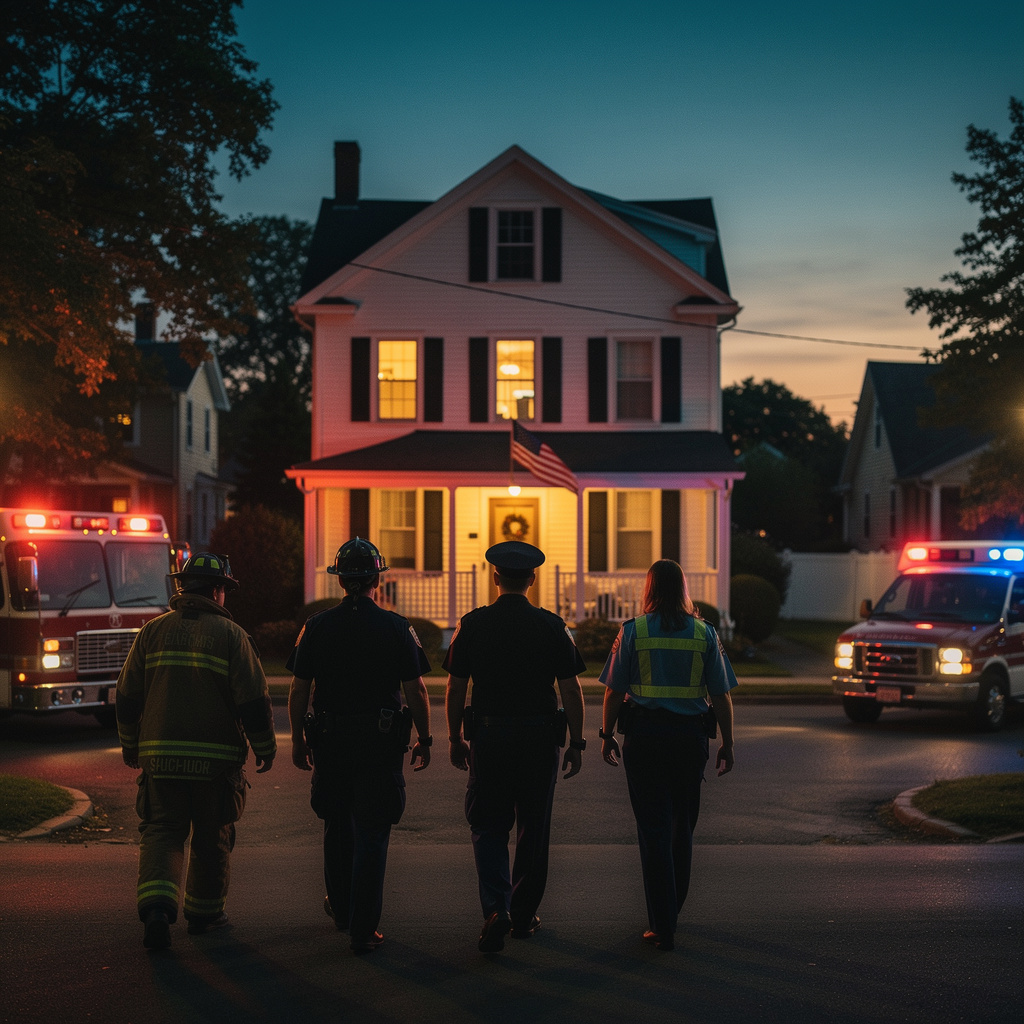
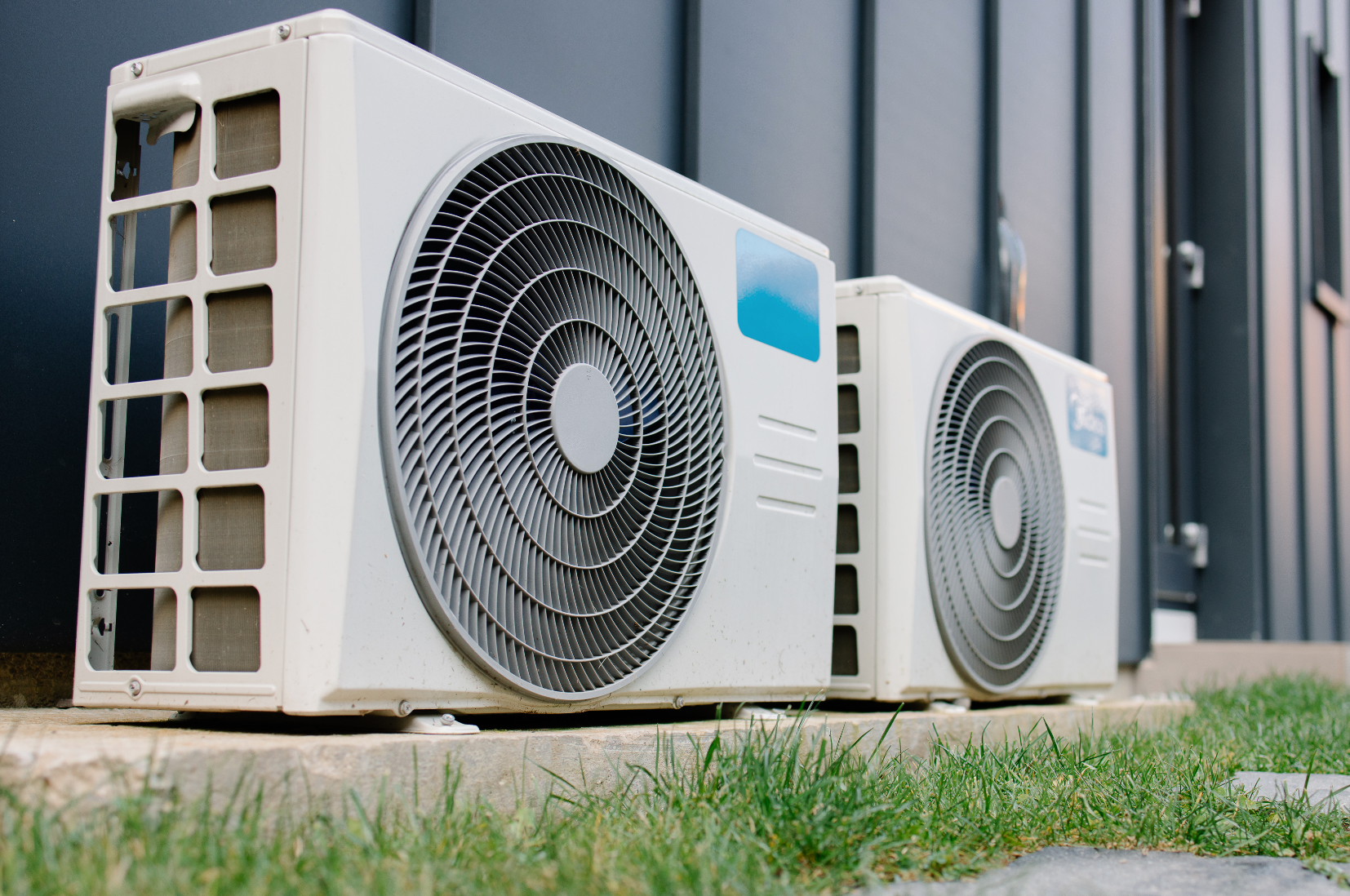
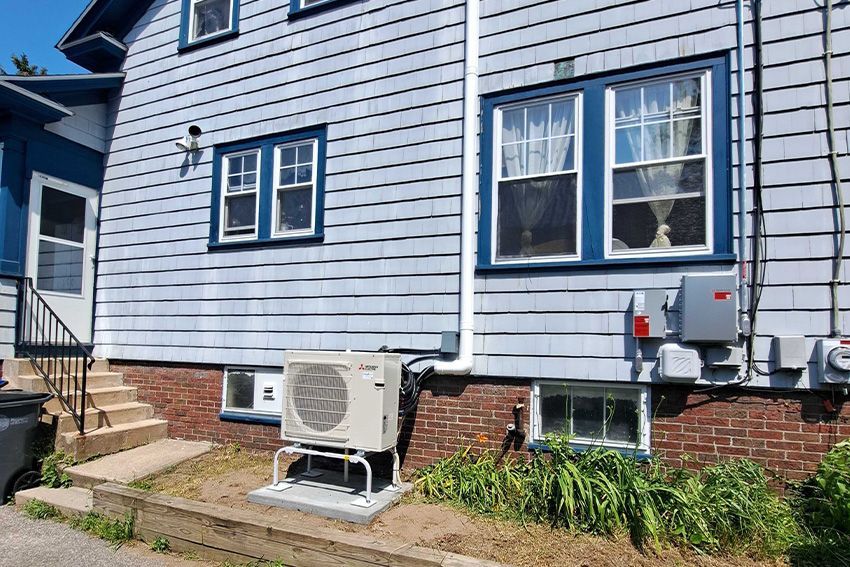
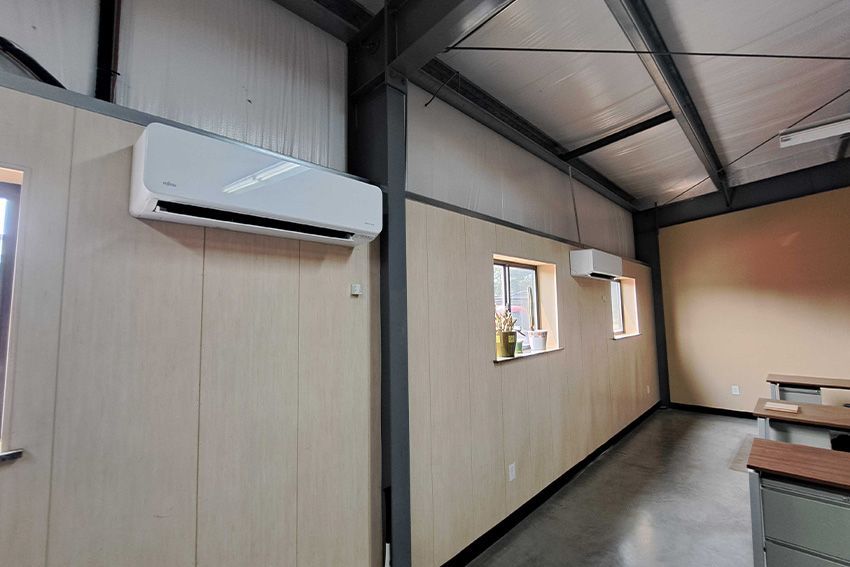
Firefighters spend their careers running toward other people's worst days. They leave the dinner table for a 2 a.m. call, sleep in shifts at the station, and walk into houses that are, in that moment, the most dangerous place in someone's life. Then they go home, back to a house that, for one Portsmouth firefighter, was not always keeping his own family comfortable. That is the family Lawrence Air Systems set out to help through our 2025 First Responder Gratitude Gift: Lt. DJ Canario, a firefighter with the Portsmouth Fire Department, his wife Tori, and their seven children. A Full House, an Aging System Nine people. One house. An aging oil-fired furnace doing its best, and no cooling at all in the main part of the home. For a family that size, summer was not just uncomfortable, it was a season to get through rather than enjoy — fans running in every doorway, windows open on the hottest nights, and a heating system that had already given the family more good years than most homeowners would expect to squeeze out of it. DJ spends his working hours making sure other families are safe, showing up for calls at every hour of the night and every kind of weather. At home, the Canarios were making do with a heating system well past the point most homeowners would have already replaced it, and no real relief once summer heat settled in. It's the kind of situation a lot of busy families live with quietly for years — the system still runs, so it stays on the list of things to deal with later. What Is the First Responder Gratitude Gift? Each year, Lawrence Air Systems sets aside one project to say thank you to a local first responder — not a token gesture or a gift card, but a full home comfort upgrade completed at no cost to the family. It's one of the ways a company built on 50+ years in this trade tries to give back to the towns we serve. DJ was the 2025 recipient, chosen in recognition of his years of service to Portsmouth. For our team, the selection is never just a formality — it's a chance to put real time, real equipment, and a real crew behind someone who spends his own working life showing up for everyone else. Installation Day: Nearly 20 Volunteers, One Big Day On installation day, close to twenty people showed up at the Canario home: Lawrence Air Systems technicians, install crews, and support staff, all volunteering their time on what would otherwise have been a day off. The goal was to finish the entire project in a single day, so the family wouldn't have to live through a drawn-out install or a house half torn apart. The team replaced the aging oil-fired furnace with a new Trane oil furnace, installed a single-zone Mitsubishi ductless heat pump to finally bring efficient cooling to the main part of the home, and integrated the new equipment with the home's existing two-zone system in the addition — so the whole house, old part and new, worked together as one system. By the end of the day, the Canario family had a fully modernized heating and cooling setup, installed, tested, and running. Built for New England Winters and Summers A ductless system might sound like a stopgap for a New England home, but modern cold-climate models are built for exactly this region. As ENERGY STAR explains , today's certified cold-climate mini-splits use advanced compressors and refrigerants that keep delivering heat even when outdoor temperatures drop well below freezing — a real consideration for a Rhode Island winter, not a marketing line. Pairing that with a new Trane furnace gave the Canarios a heating system with real backup, and a cooling system that, for the first time, reached the main living space of their home. The two-zone integration mattered too — a lot of older New England homes have additions layered on over the decades, and getting a new system to actually talk to an existing one is what separates a comfortable, evenly heated home from one with a warm side and a cold side. More Than Equipment: A Team Effort Days like this don't happen because of one company alone. Mitsubishi and Ferguson supported the project directly. Charlie Resendes handled the wiring for the new heat pump. George, from Levi's Oil, reconnected the oil line and got the new furnace firing safely. Tom's Market donated lunch for the crew — its own kind of generosity on a day full of physical work. East Bay RI covered the installation firsthand , putting a spotlight on a project that, for the Lawrence Air Systems team, was really about one family. Why We Show Up for the People Who Show Up for Us Lawrence Air Systems has been a family-owned, family-run business since 1973, and being part of a community means more than fixing furnaces. First responders like DJ carry real weight for their families too — long shifts, missed dinners, and time away from home during the moments other people need him most add up to a version of family life that looks different from most, and one that's easy to overlook until you're standing in the living room of the person living it. That's part of why this project matters as much as it does. It's one afternoon of work set against years of DJ showing up for people he's never met. It doesn't balance the scale, but it's a real, tangible way to say thank you to first responders across East Bay, Aquidneck Island, Jamestown, and out to Westport who serve their neighbors every day. Every nominee we've had the honor of recognizing shares something in common: they never do it for the recognition. It's a value woven into who they are — in their work, and in their families. They aren't the kind of people who think of themselves first, or who'd ever take advantage of an opportunity like this one. They give in ways some of us can't imagine. They show up, even when no one else does. A Day DJ, and Our Team, Will Not Forget For DJ and Tori, the day meant a home that's finally comfortable for all nine of them, no matter the season — no more fans propped in doorways, no more waiting on an aging furnace to decide whether this would be the winter it finally gave out. For the Lawrence Air Systems crew, it meant a full day of installing, sweating, laughing, and working alongside people who showed up simply because they wanted to help. What This Means If Your Own System Is Overdue Not every homeowner gets a First Responder Gratitude Gift, but the story behind DJ's new system is one plenty of homeowners across East Bay, Aquidneck Island, Jamestown, and out to Westport will recognize: an aging furnace that still runs, so it stays on the back burner. A room, or a whole floor, that never quite cools down in summer. A system installed for a different version of the house than the one standing today. If any of that sounds familiar, DJ's story is a good reminder that the fix doesn't have to mean tearing the house apart or living without heat or cooling for weeks. A properly sized furnace and a well-integrated ductless system can solve both problems at once. Want to Nominate a First Responder? If you know a firefighter, EMT, paramedic, or police officer across East Bay, Aquidneck Island, Jamestown, or out to Westport who deserves recognition, we want to hear about it. Nominations for our 2026 First Responder Gratitude Gift open in early October and close Friday, October 16. Email your nomination to givingback@lawrenceairsystems.com, message us on our Facebook page , or give us a call — we'll announce this year's recipient on October 28, National First Responders Day. Frequently Asked Questions What is the Lawrence Air Systems First Responder Gratitude Gift? It's an annual program where Lawrence Air Systems selects one local first responder and completes a full heating and cooling upgrade for their home at no cost — a full installation, staffed and paid for entirely by Lawrence Air Systems and its partners. Who was the 2025 First Responder Gratitude Gift recipient? Lt. DJ Canario, a firefighter with the Portsmouth Fire Department, along with his wife Tori and their seven children. The family had been living with an aging oil furnace and no cooling in the main part of their home. What HVAC equipment was installed in the Canario home? A new Trane oil furnace and a single-zone Mitsubishi ductless heat pump , integrated with the home's existing two-zone system so the entire house works as one connected comfort system. How long did the installation take? The entire project was completed in a single day by a crew of nearly twenty Lawrence Air Systems volunteers and partners. Do ductless heat pumps really work in cold New England winters? Yes. Modern cold-climate ductless systems are engineered to maintain strong heating performance even when outdoor temperatures drop well below freezing, making them a practical option across Rhode Island and Southeastern Massachusetts. Who else contributed to this year's project? Mitsubishi and Ferguson supported the project directly, Charlie Resendes handled the electrical wiring, George from Levi's Oil reconnected the oil line, and Tom's Market donated lunch for the crew. How can I nominate a first responder for a future Gratitude Gift? For our 2026 Gratitude Gift, nominations open in early October and close Friday, October 16. Email your nomination to givingback@lawrenceairsystems.com, message us on Facebook, or call us directly. We'll announce the recipient on October 28, National First Responders Day. Does Lawrence Air Systems offer HVAC services beyond the Gratitude Gift program? Yes. Lawrence Air Systems has provided heating and cooling services to homeowners across Rhode Island and Southeastern Massachusetts since 1973. See what homeowners are saying on our reviews page . Every Home Deserves Comfort For DJ and Tori, this project meant a house that finally works the way it should, in every season. For Lawrence Air Systems, it's a reminder of why we do this work in the first place — and why we keep making room for a project like this every year. If your own heating or cooling system is overdue for a look, call (401) 213-1516 to schedule a complimentary consultation with the Lawrence Air Systems team.




Share On: